RNA QR code (RQC)
A binary matrix encoding active and inactive metabolon modules from Pairwise RNA Co-expression Analysis (PRCA). Each code is a systems-level fingerprint of a biological state; more than 80 modules are tracked.
Transcriptomic biomarkers for drug discovery, clinical trial enrichment and precision oncology. One image per sample. Two scores: how far disease has moved a cell's gene network, and how far an intervention moves it back toward healthy.
About 20,000 genes are compressed into 80+ functional modules (co-expressed gene groups Dr. Ji calls metabolons). Each sample becomes one visual code — an RNA QR code — and is scored two ways: disruption and restoration.
A binary matrix encoding active and inactive metabolon modules from Pairwise RNA Co-expression Analysis (PRCA). Each code is a systems-level fingerprint of a biological state; more than 80 modules are tracked.
How much has disease broken the network? TI is the fraction of healthy modules lost or dysregulated in a disease state. Outside oncology it is read as a disruption index.
How much does an intervention repair? RI is the percentage of disrupted modules a treatment brings back toward their healthy state. A single score to rank candidates head-to-head.

Because the scores run on transcriptome data, approved drugs and natural compounds can be re-scored against diseases that already have public expression data, before new trials are planned.
In a retrospective analysis of public gene-expression data, pre-treatment RNA QR codes separated longer- from shorter-survival groups, and the method quantified how many disrupted modules the drug restored.
A single, frozen restoration index — one formula, one module definition, scored on public data with code anyone can rerun — is in preparation.
In a retrospective analysis of public prostate data, the method quantified both how much the tumor state had disrupted the normal network and how much the therapy restored it.
Headline figures are withheld until the frozen, preregistered method is published, so that every number on this page is one an independent group can reproduce.
These are computational analyses of existing public data. They have not been prospectively validated and are not evidence of clinical efficacy. The next step, now underway, is pre-registered analysis of Epstein–Barr virus (EBV) driven disease, with success criteria fixed in advance.
Full figures and methods are summarised on the Evidence page.
The RNA QR code does not know whether a compound came from a synthesis lab or a plant. It scores what an intervention does to a cell's gene network — how far disease moved it, and how far the intervention moved it back — on one scale, for an approved drug, a natural compound or a lifestyle change alike. The method is agnostic by construction, so the evidence can be read without a thumb on it.
"I came to this project with a number of biases. My father did as well. We met in the middle and decided that the evidence should stand on its own. That is what cell-language-based RNA QR codes and supermetabolons allow for."
The indices measure network change in transcriptome data. They are not clinical outcomes, and the platform does not diagnose or treat any condition.
Stanford's recent work shows Epstein–Barr virus (EBV) turning a small share of B cells into network-level drivers of lupus: a cascade our method is built to read.
The first three analyses are specified in advance and run on public data only. Details live on the EBV program page.
The RNA QR code grows out of cell language theory: cells communicate using molecules as words, and genetic information exists in two forms — DNA carrying it in time and RNA expression profiles carrying it in space. RNAscopy, Dr. Ji's term, is the clinical practice built on that view.
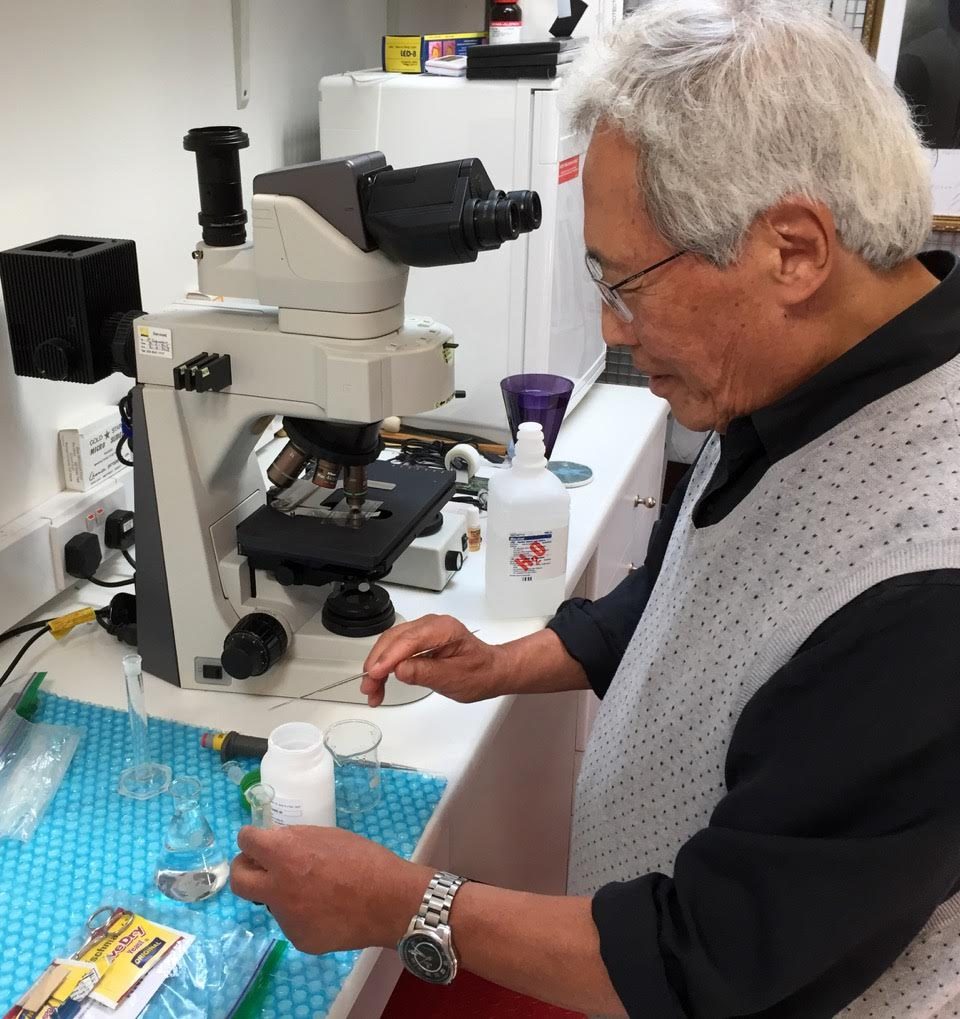
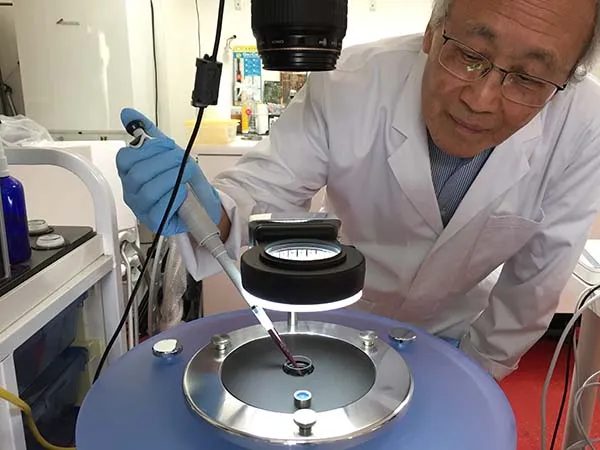
The full archive of publications, talks and personal writing is maintained at The Human RNA Project.

Chief Scientific Officer; scientific founder and inventor. Professor Emeritus, Theoretical Cell Biology, Rutgers University. Originator of the conformon, cell language theory, PRCA methodology and RNA QR codes. Full archive at sungchulji.com.

Partnerships and markets. Founder of GreenMedInfo.com and author of Regenerate; leads partner development and communications.

Clinical integration. Integrative medicine; leads clinical translation, pilot study design and practitioner outreach.
Advisory seats are open in immunology and biostatistics. Biographies and roles are detailed on the Leadership page.
For scientific collaborations, CRO and pharma partnerships, press and qualified investors.
hello@bioceuticals.ai
X @Bioceuticalsai
Investor materials are available to accredited investors on request via the Investors page.